
Free shipping -30% PRO 

Starlight lasers G1 Pro768× sold
G1 Pro Green Laser Pointer, Pattern Lens Included
- Green 532 nm
- 1 mW
- 18650
€99.95€69.95
In stock
A moving green dot is one of the simplest ways to persuade crows, pigeons or gulls to settle somewhere else. It works best in low light and with the right technique. Here is how to use a laser pointer for scaring birds responsibly.

Our best-selling green laser pointer: rechargeable, lockable, built in aluminium


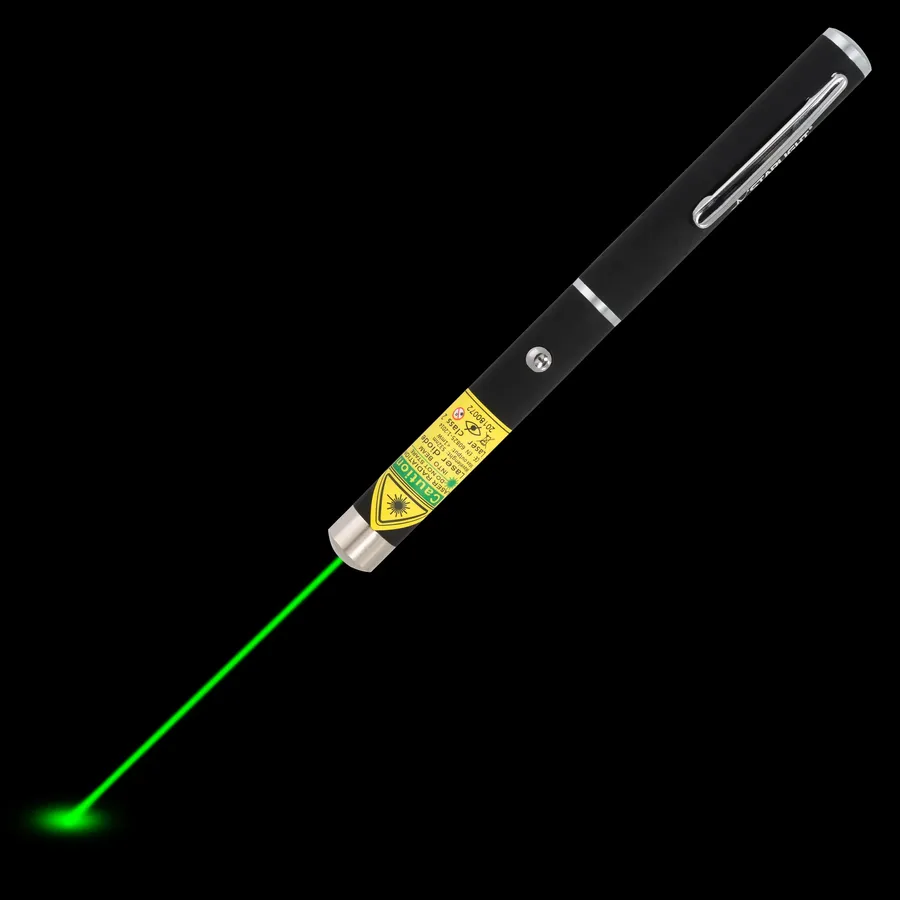


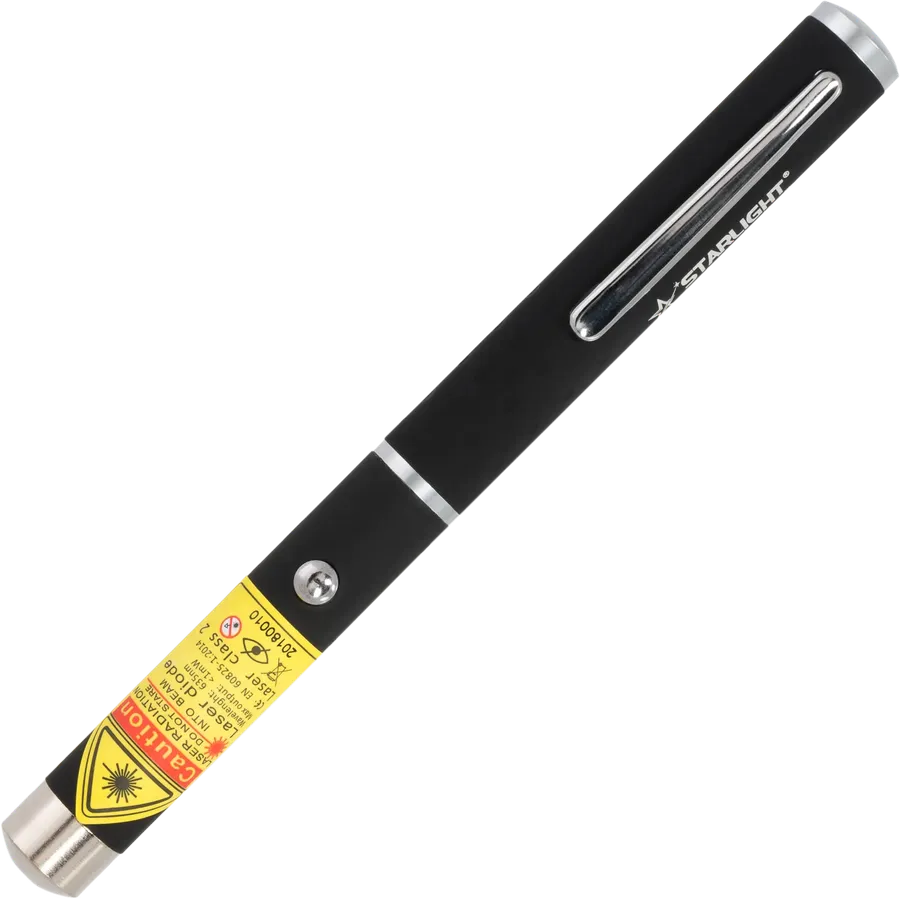
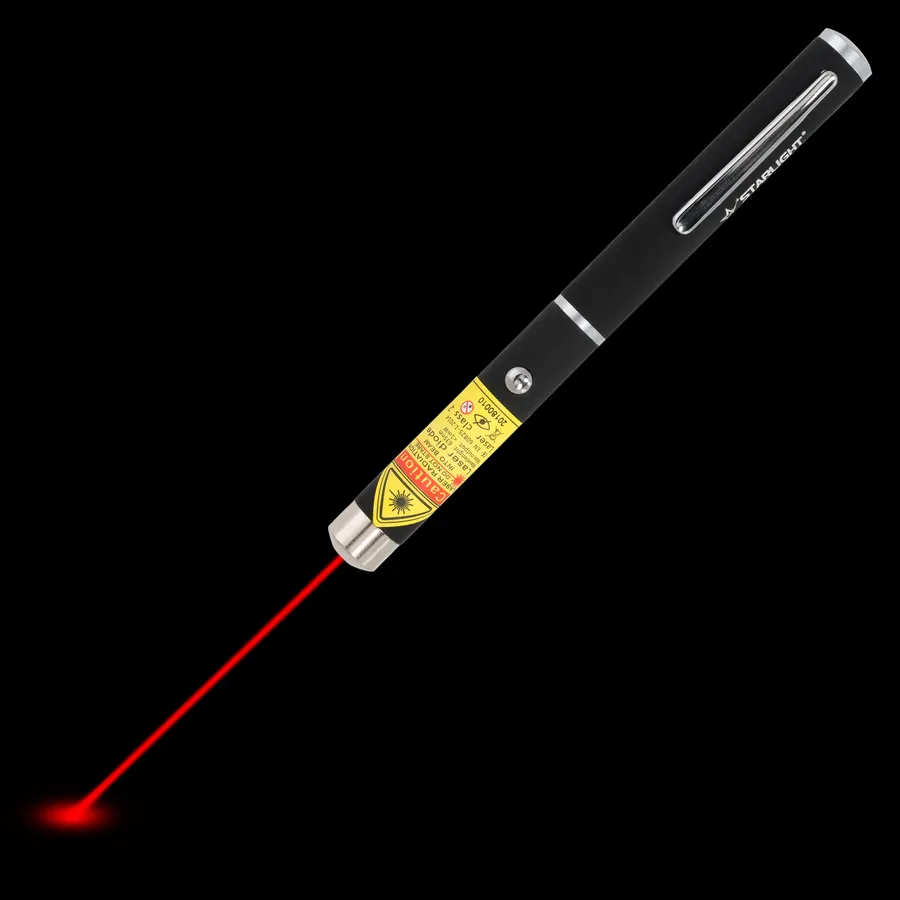
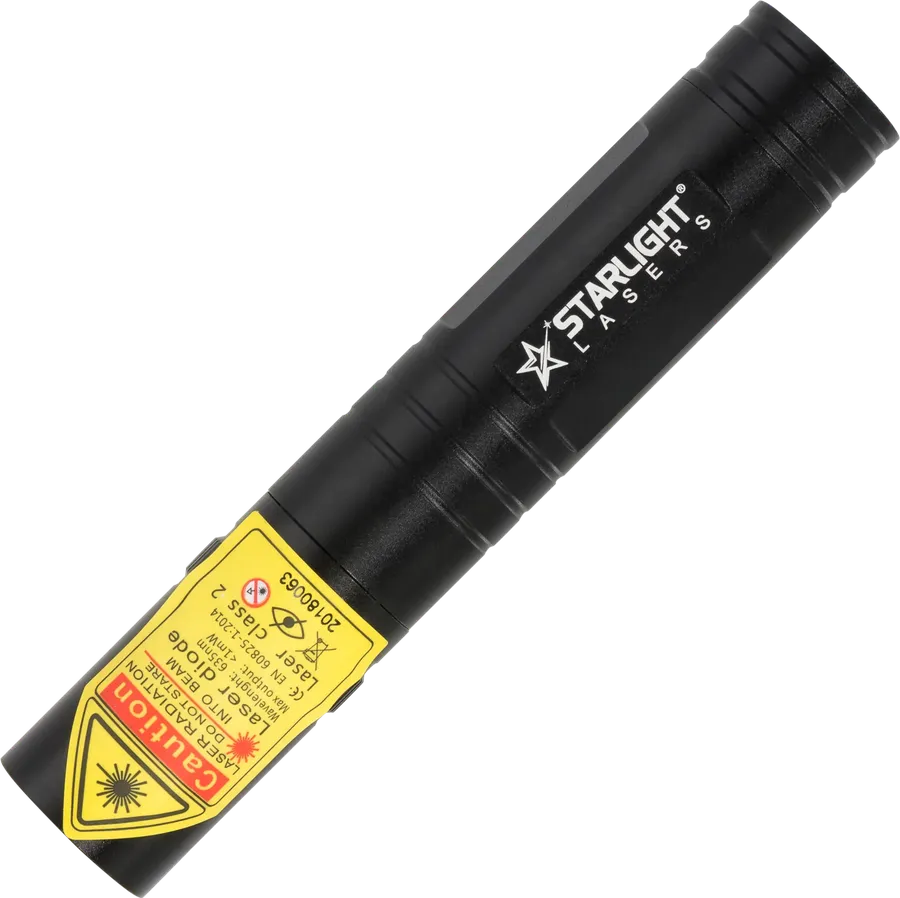
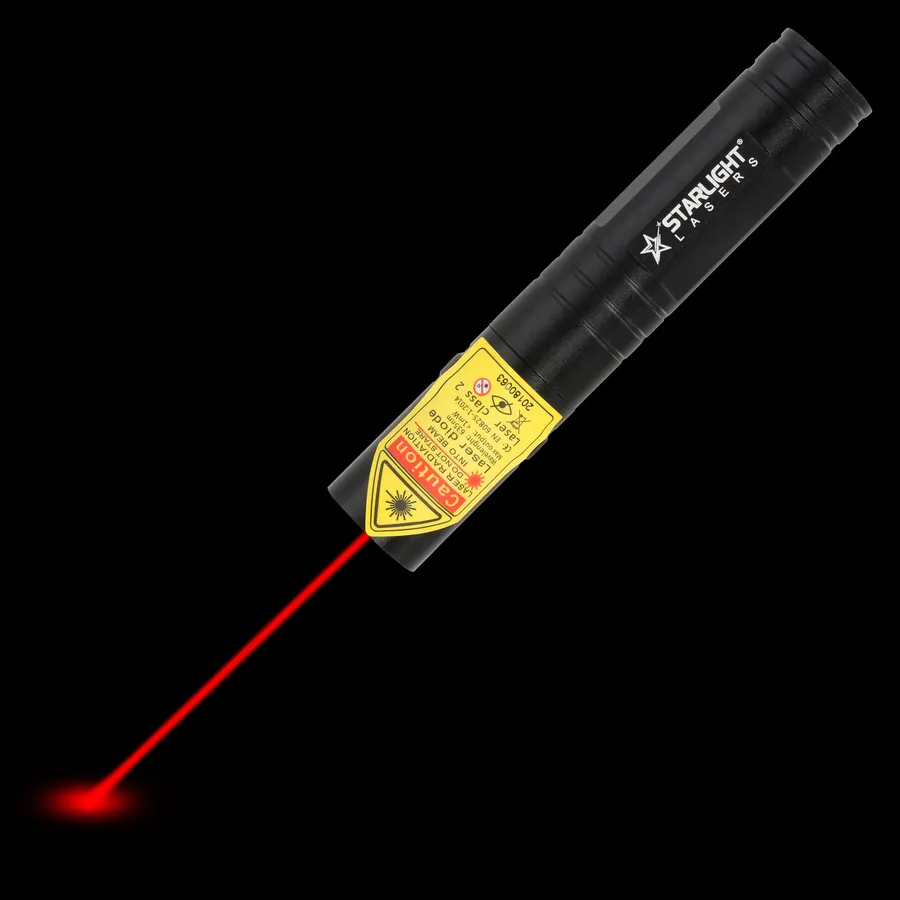
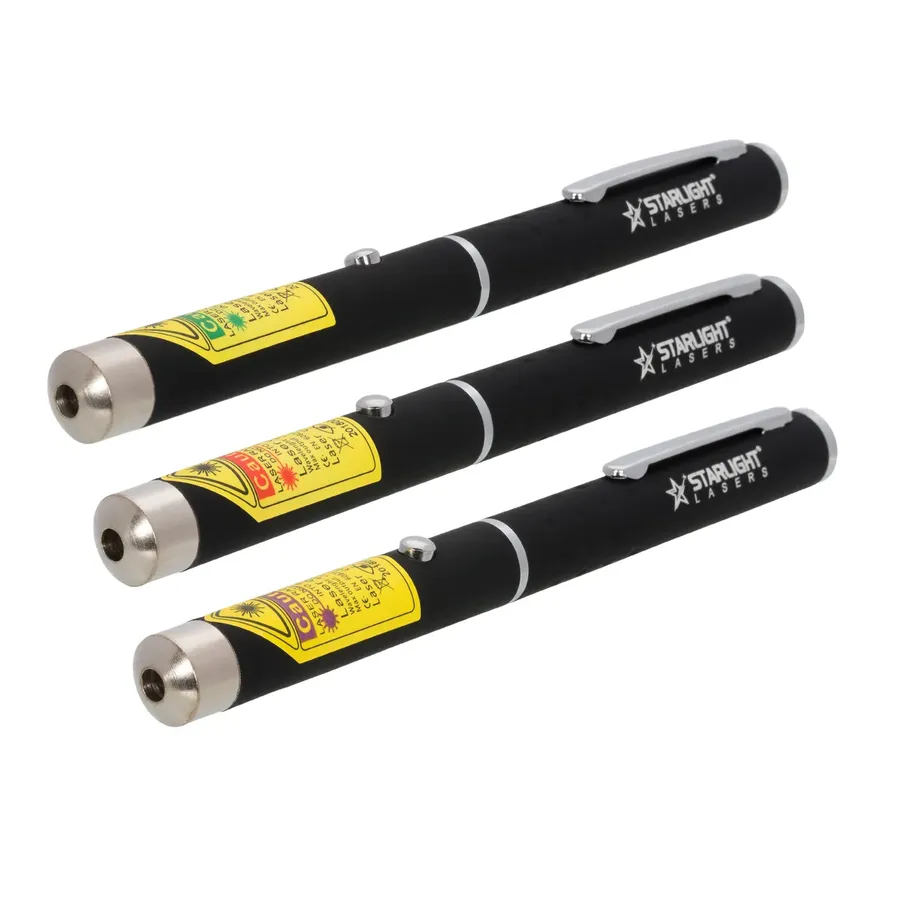
Three laser pointer pens, three colours, one order
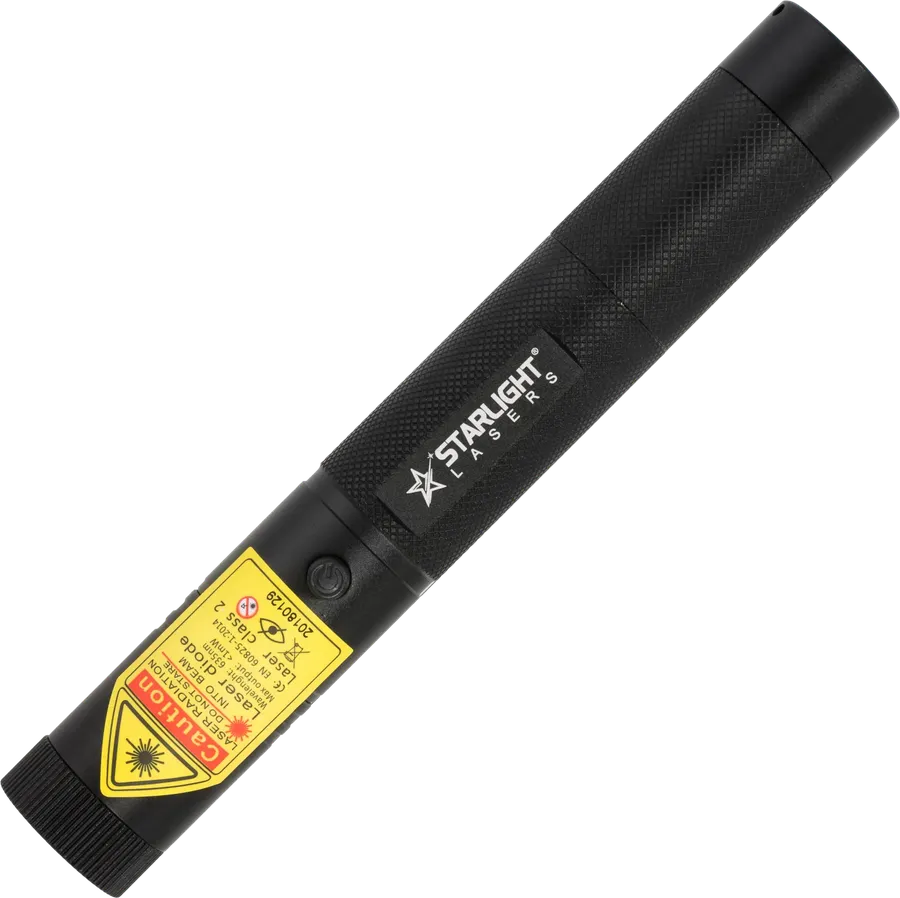
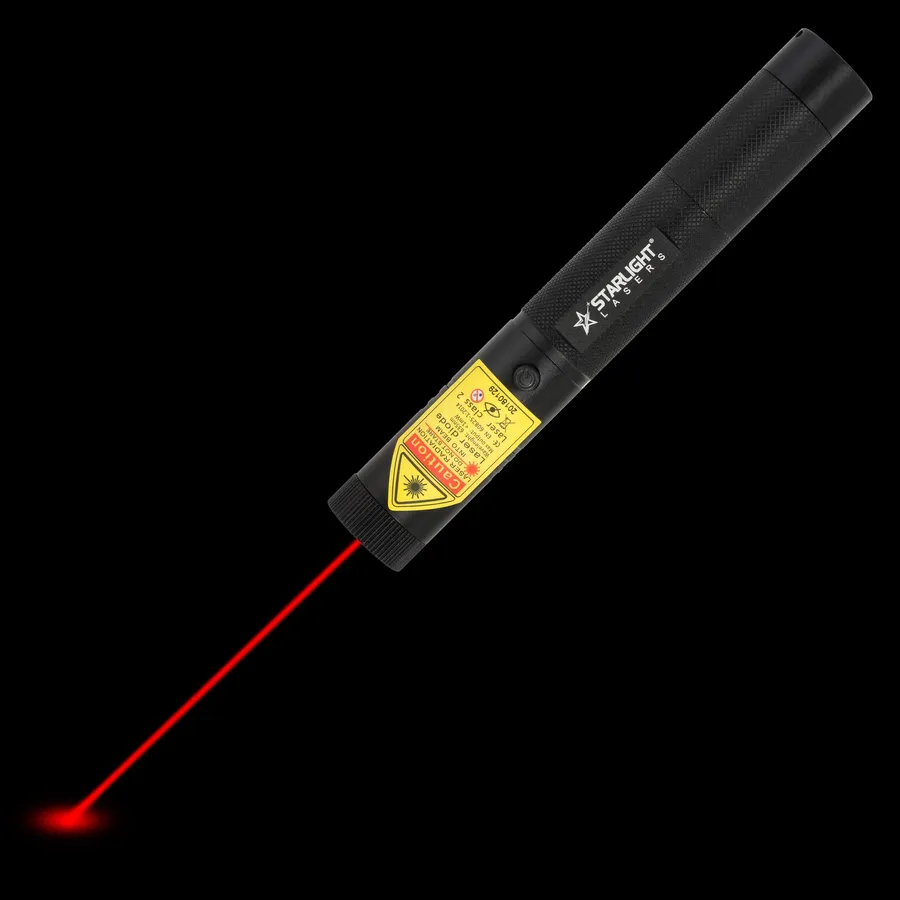

Three full-size rechargeable Pro lasers in green, red and violet
Birds read a fast, unfamiliar spot of light moving towards them as a possible threat. In poor light a green dot sweeping across a roof ridge, a silage clamp or a newly sown field is enough to make a flock lift and move off, without noise, without traps and without touching the birds. It suits farmers and groundskeepers as much as a homeowner with gulls on the chimney or a shed full of pigeons.
It is not magic. In bright sunshine a class 2 dot is hard for birds to see, and birds that are not disturbed regularly will drift back. Used at the right moment and repeated over a few days, though, it is an effective, quiet tool.
| Conditions | Dot visible up to |
|---|---|
| Indoors (room, hall) | 30 m+ |
| Daylight, dot on a shaded spot | approx. 100 m |
| Twilight | approx. 300 m |
| Full darkness | approx. 1 km |
Green, without question: it looks several times brighter than red at the same output. The G3 Pro is our first choice for this job because it recharges and has a key lock. The G1 Pro is the same laser with a pattern lens, the G2 Pro is the compact version for a jacket pocket, and the X1 pen is a budget-friendly start for small gardens. All are class 2, max. 1 mW.
Never aim at the birds' eyes, at livestock, pets, people, vehicles or aircraft. Keep well clear of roads and anywhere near an airfield, and watch for windows, water troughs and wet roofs that can reflect the beam. Respect protected species and nesting periods. You are responsible for safe use. Read laser pointer safety before you start, and see the long range laser pointer guide for more on distances.
A final practical note: combine the laser with other measures. Netting, removing food sources and closing off nesting gaps work well alongside it, and birds that find a site both unrewarding and disturbed tend to move on for good.
Not the biscuit kind, just small files that make the shop easier to use and help us improve it. We never sell your data. You choose what you allow. Privacy policy
AI assistant: can make mistakes. Prefer a person? Just ask.