
Free shipping -53% PRO 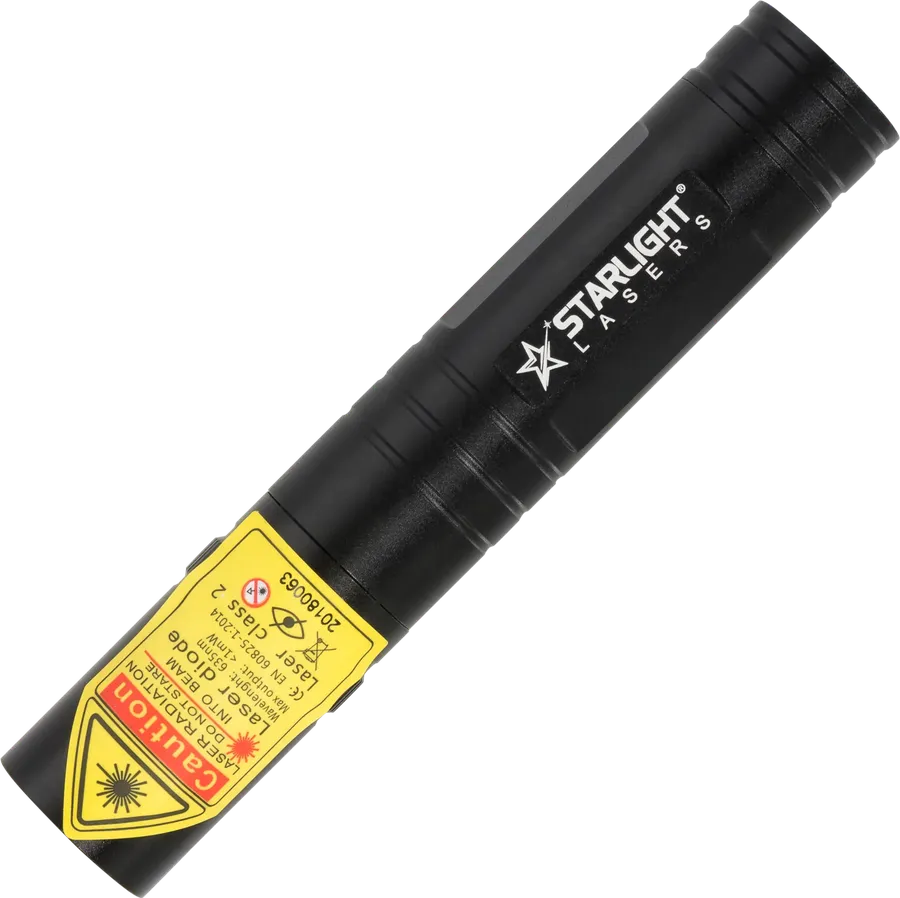
Starlight lasers R2 Pro130× sold
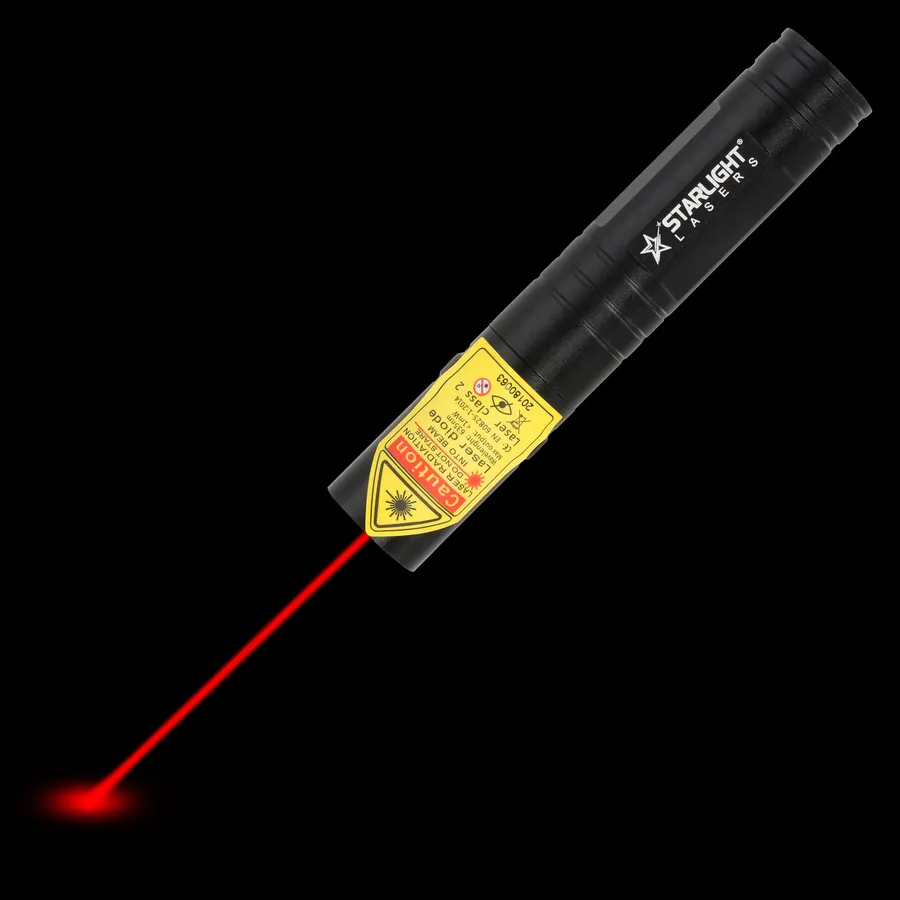
Compact Red Laser Pointer R2 Pro (rechargeable)
- Red 650 nm
- 1 mW
- 16340
€169.95€79.95
In stock
Plenty of cats will chase a laser dot with total commitment. Done right, it is good exercise for indoor cats; done carelessly, it can hurt eyes or leave a pet frustrated. These are the rules we recommend.
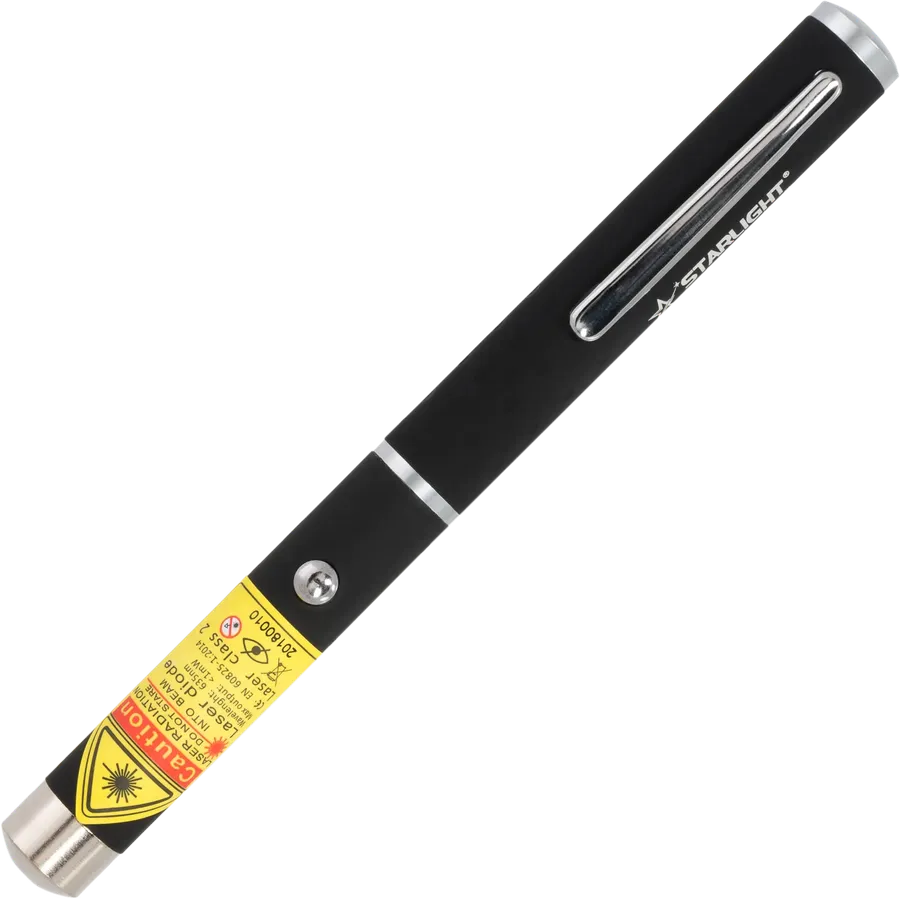
The classic red laser pointer pen for slides and whiteboards


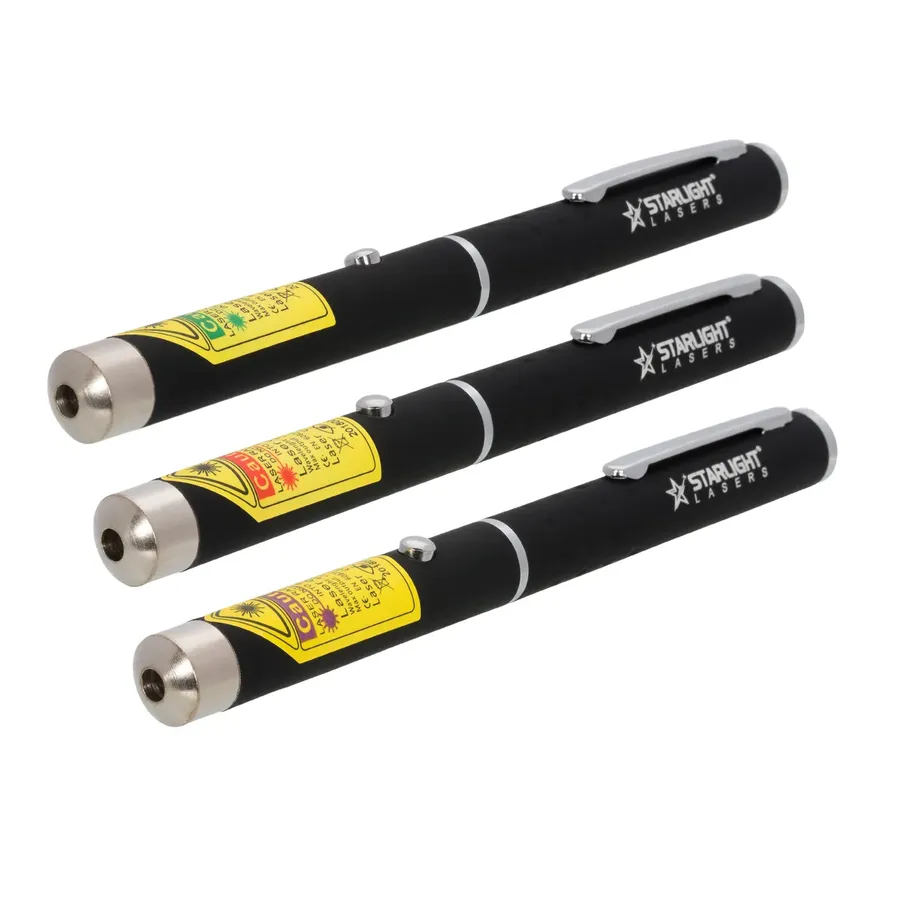
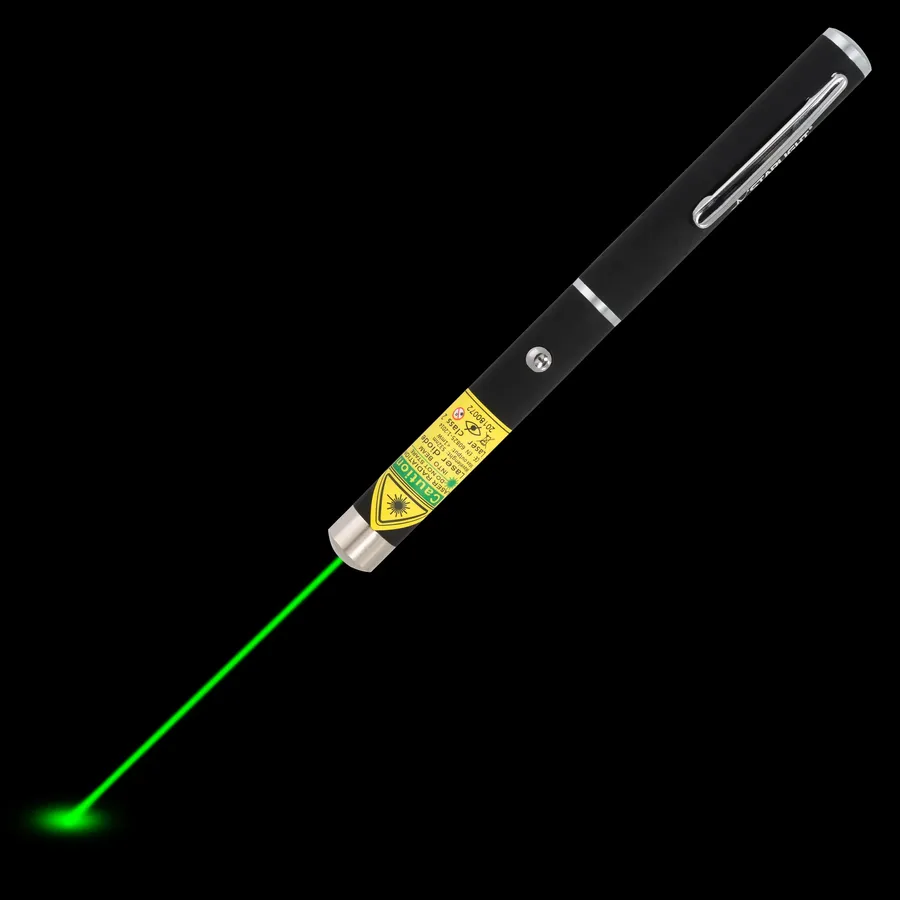
Three laser pointer pens, three colours, one order
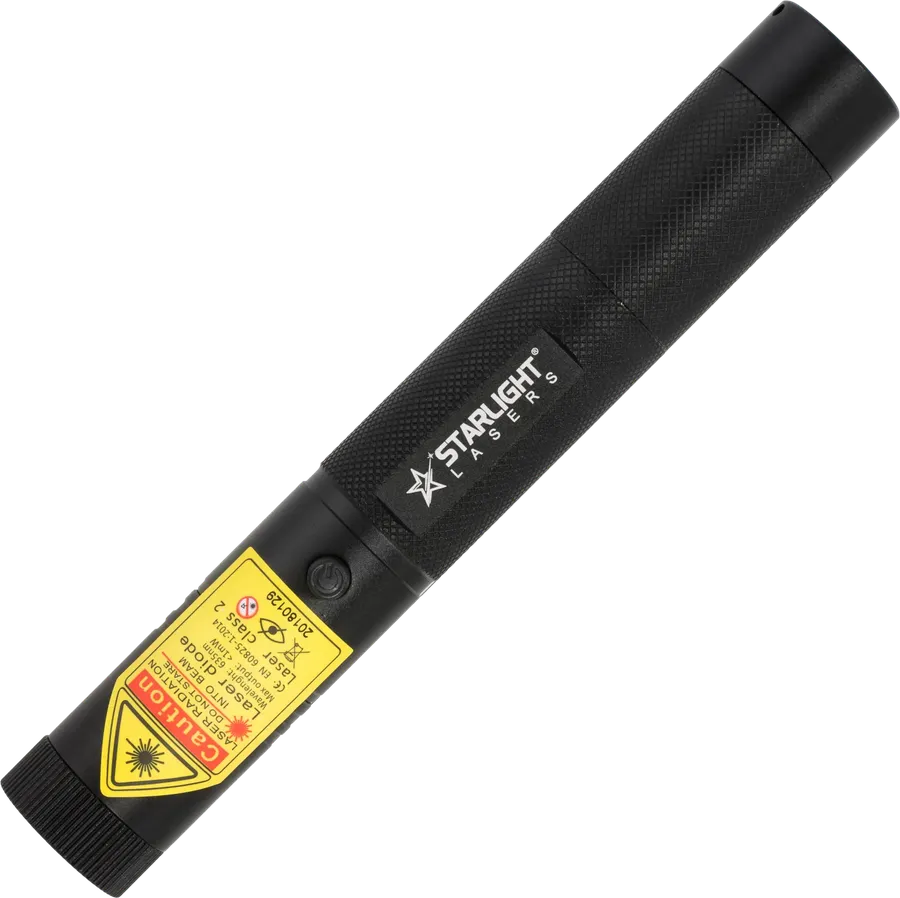
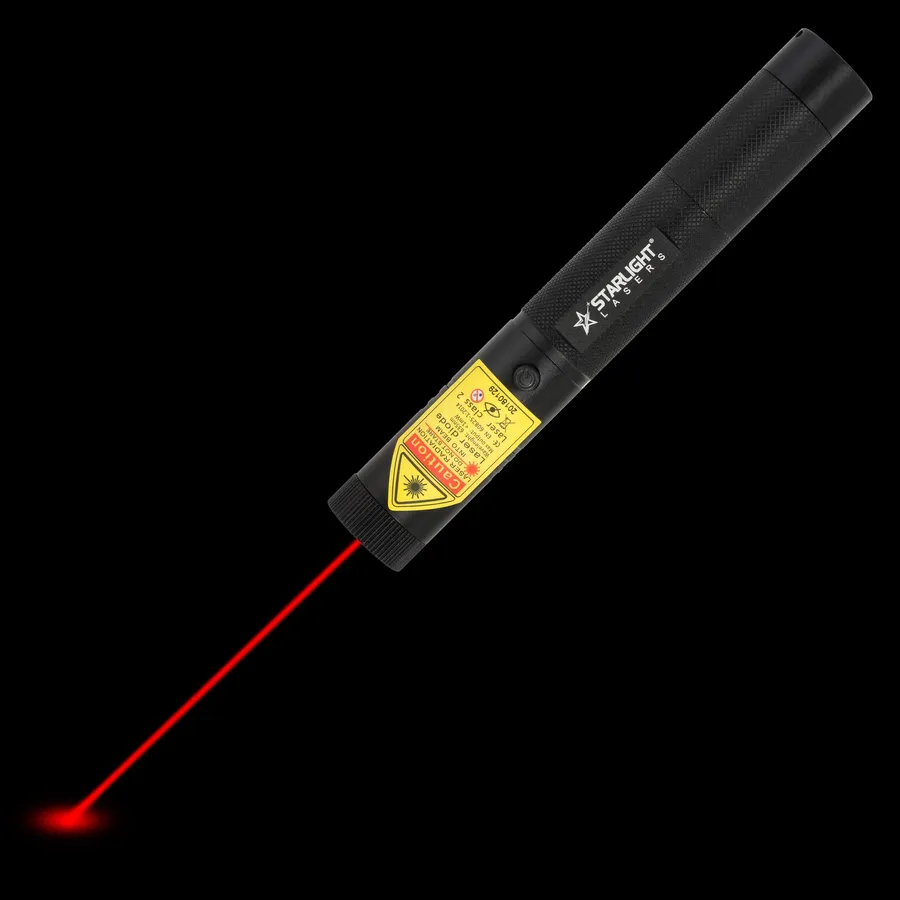
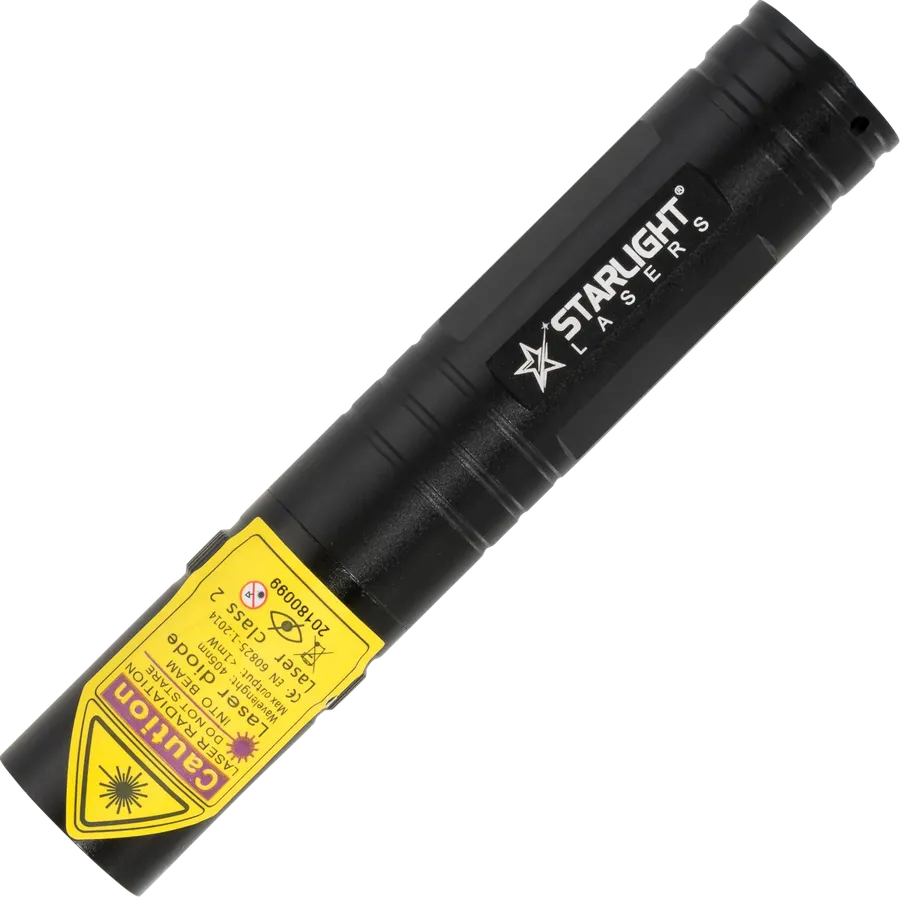
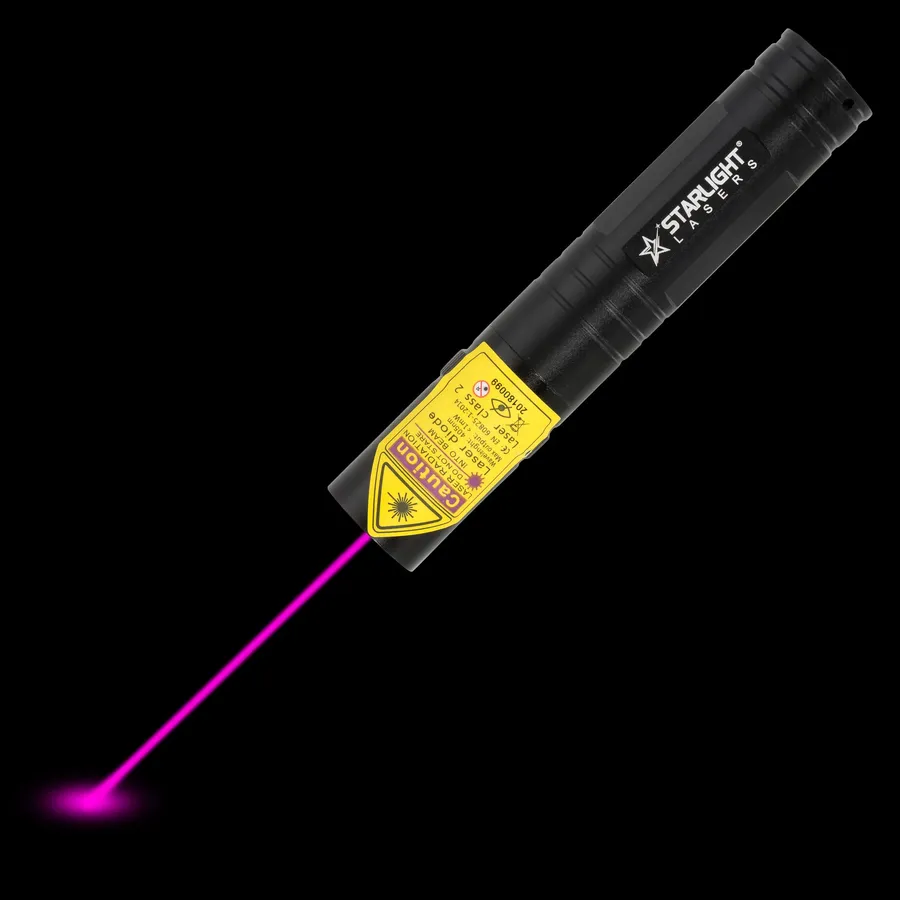
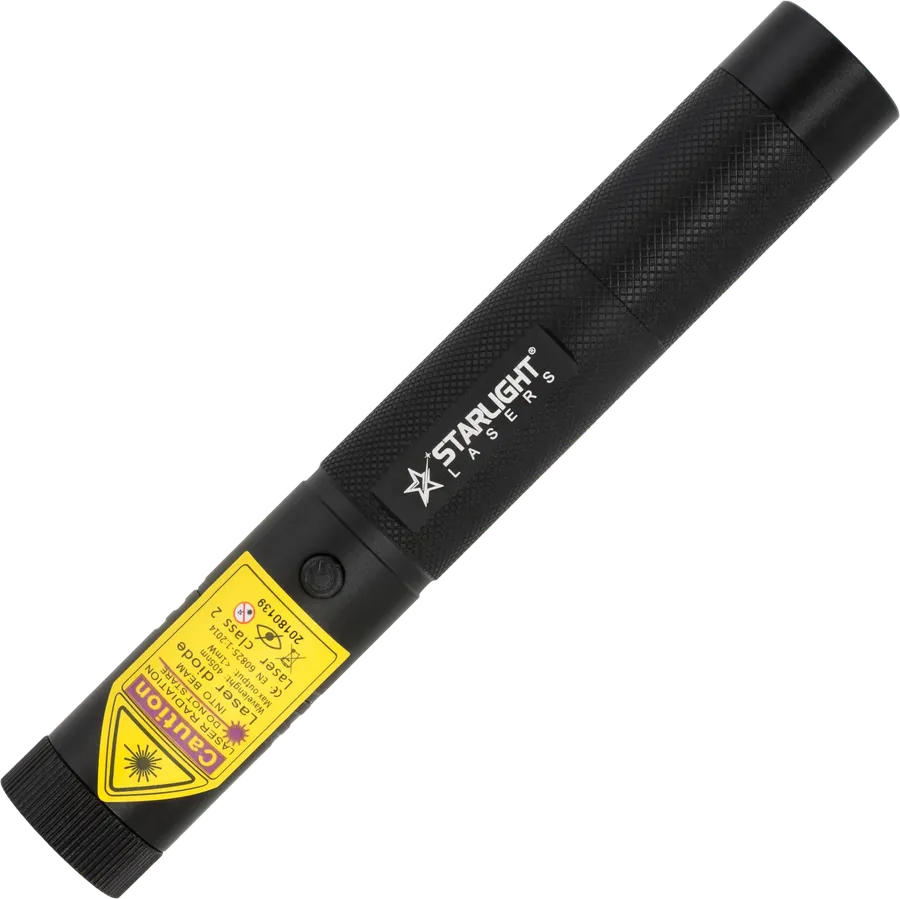
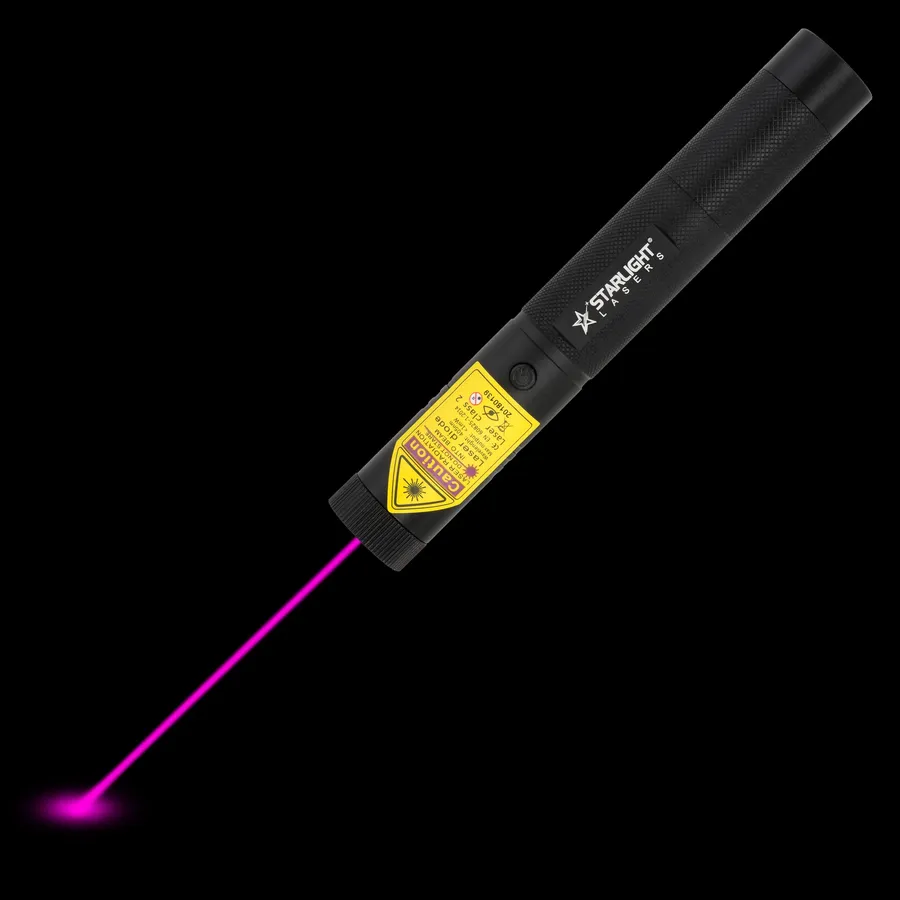


Three full-size rechargeable Pro lasers in green, red and violet
Cats are built to hunt small things that move fast and change direction. A bright dot darting across the floor triggers that instinct immediately. For a cat that lives mostly indoors, a few minutes of stalking and pouncing is welcome exercise. Dogs can react strongly too, though as you will read below they need extra care.
Some dogs, particularly working and herding breeds, can become fixated on lights and shadows after laser games. They keep searching for the dot or start chasing reflections. If you play with a dog, keep it very short and always finish with a ball or tug toy the dog can physically catch. Stop entirely if your dog starts staring at floors or walls looking for the light. For many dogs, a game of fetch is the better everyday choice.
You do not need a large laser for the living room. A slim pen on AAA batteries is ideal: the M1 red gives a calm dot, the X1 green a very visible one, and the X2 adds a pattern cap for variety. Cats respond mostly to movement, so colour matters less than technique. All are class 2, max. 1 mW. Because the pens have no key lock, store them on a high shelf after play.
| Model | Why for pet play |
|---|---|
| M1 red pen | Calm dot, easy on the eye in a living room |
| X1 green pen | Very visible, also on dark carpets |
| X2 green pen | Pattern cap for something different |
Play somewhere without mirrors or glossy tiles that could bounce the beam, and never aim at windows. Watch your pet's mood: tail flicking and repeated pouncing at nothing can be signs to stop and bring out a real toy. More on eye risks in laser pointer eye safety and on laser pointer safety.
Finally, a laser is a nice addition to play, not a replacement for it, and on days when your pet is not in the mood, simply leave it in the drawer. Wand toys with feathers, balls and puzzle feeders give your pet something to grab, and many owners alternate between them through the week. Variety keeps play interesting, and it keeps the laser special rather than routine.
Not the biscuit kind, just small files that make the shop easier to use and help us improve it. We never sell your data. You choose what you allow. Privacy policy
AI assistant: can make mistakes. Prefer a person? Just ask.